Hi my name’s Tim and I’m a search engine optimization specialist! My passion is in finding targeted keywords and writing content for for small businesses.

This has a multiple effects when done consistently over time:
- I target long tail keywords relating to your business which brings search engine traffic directly to your website
- It also positions you as an expert on the topic, increasing your domain authority with Google
- The targeted content and increasing domain authority pushes your domain score up while increasing organic search traffic steadily over time.
- As your domain authority grows, you have a greater chance of ranking for the more competetive keywords.
The effect of the consistent targeting of long tail keywords and creating high quality content for them compounds over time. Google sees you as a greater authority and you also get ranked for the long tail keyword posts. If the content is of high enough quality, people will also link to posts over time. This is why it’s worth writing high quality content and even creating pdfs, ebooks and other simple resources.
Search Engine Optimization Specialist – Backlinks
Digital content such as pdf’s, ebooks and infographics are a great tool when it comes to building backlinks. Backlinks are often the nemesis of domain authority building because they are the most difficult element of it. To build backlinks from high domain websites in your niche is the key. Google value quality over quantity, and a natural link profile. So buying links or using lots of directories can even have a negative effect when it comes to back-linking.
If your link profile unnaturally jumps up, Google may even penalise you, if those links are unnaturally obtained and especially if they are from spammy directories which take money for backlinks. Real, authentic backlinks are hard won, and are done so by building real relationships over time with people within your business niche and collecting website links to your content.
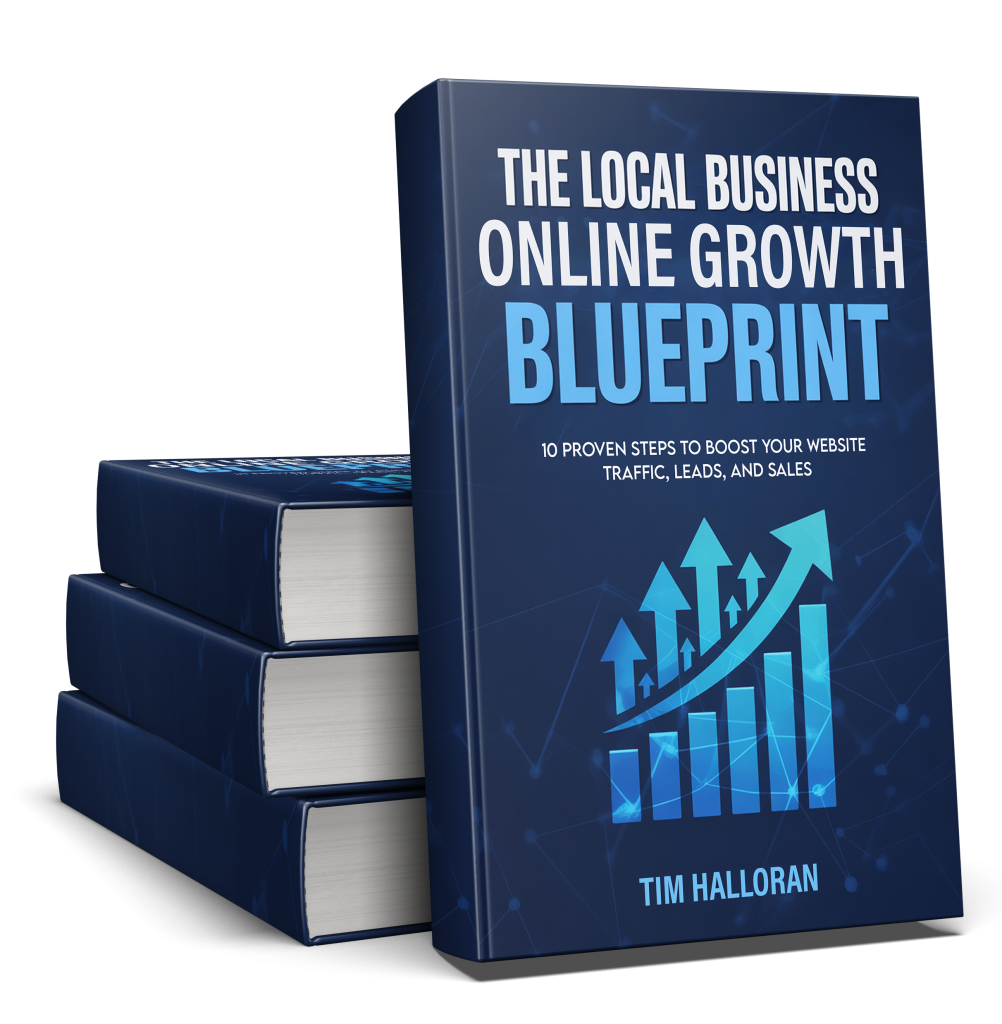
This can be tough, so a useful way to build reliable and high quality backlinks is through content creation – pdf’s, ebooks, infographics and charts with data you have personally collated. These become useful digital resources which you own, and which others in your field will link to over time as they become more prevalent.
Ranking Long Tail Keywords – Content Creation
I personally like ranking long tail keywords and find it the most satisfying part of the search engine optimisation strategy. Long tail keywords can be found using Google’s keyword planner. Type in your main keyword for your business/location. Look for the keywords which the suggestion tool throws up. Some of them are “long tail” which means they have more words in them than others. The longer the keyword chain, the more likely you are to rank for those keywords with a high quality piece of content.
Often, when approaching content creation, we like to think in terms of more traffic. So we target the main keywords. Unfortunately, although these keywords have a tonne of traffic (online searches), ranking for them is much more difficult. That’s because of the relative competition. More traffic equals more competition. But if you aim for the “low hanging fruit”, that is the longer tail keywords, there’s less competition on the SERPS – Search Engine Ranking Pages.
See my post on how to get your website to the top of Google for more on this topic.
Search Engine Optimization Specialist – Targeting Main Keywords
One of the other main things you can do to optimise a website, is to choose the main keywords you wish to rank for. Often, website builders won’t have a clue about this when they build your website. So there’s missed opportunities for targeting your main keyword throughout your website. Image alt attributes, headings and page titles for examples are the places to target your main keywords. If you don’t, Google, and other search engines will struggle to understand what your website is about.
It therefore cannot possible rank highly for those keywords simply because they aren’t on the website!
Many website owners are oblivious to the main keywords which could quite quickly make a large difference to their organic traffic flow.
To find these keywords, and optimise your website for them, go to Google keyword planner. Type in your main keywords which relate to your business, and your area if you have a locally based business. Look at the monthly search volume of the keywords and select a keyword with a good volume and that you have a chance to rank for. This is the shorter keyword, which has more monthly searches than the longer term keywords discussed earlier in this post.
It’s the main keyword you want your site to rank for. For example, if you have an acupuncture clinic in Leeds, you would target these keywords for your main focus on the website. As you create more blogs posts, you link back to your main page, using these keywords. This reinforces the identity of your website to the search engines, and tells them what keywords you want to rank your website for.
Search Engine Optimization Specialist – Rinse and Repeat
There’s a few key elements to getting SEO right but a lot of it is telling the search engines what your website is, in a language that it understands. The more you can prove your authority on that topic, with blog posts and content, the better it will be over the long term at ranking your website for your chosen keywords.
Start with a main keyword for your main, landing page (the homepage). Make sure your keyword is well targeted in your titles, images and headings. Use Yoast SEO plugin to help you and Chat GPT for advice about interlinking pages and use of deep linking.
With a new website, it’s hard to link for your chosen keyword. Google will see your website as less of an authority. So it’s useful to go after long tail keywords which have lower SEO difficulty. As you start seeing some traction on your posts, you can add more and more. Your authority should grow naturally out of creating regular content, and you’ll start to see an incremental growth in traffic.
Target Audience – Who Are They?
Not all content is the same just as not all website visitors are going to buy from you. Some are gathering information and may buy later on. Statistics show that most online shoppers will have 6-8 touch-points with a company or website before they buy. It’s a buyers market, with the online world. That’s why when it comes to creating content it’s definitely wise to know who your target audience is. That is, the people who actually want to do business with you, not those who are browsing with no intention to buy.

Ideally, everyone who looked at your website would sign up to your email list and become a life-long customer! But that really doesn’t happen! Most are gathering information, and only a small percentage takes immediate action. But if you are very specific about creating content which is super targeted towards a specific person, (your target audience), you will see a greater percentage of website visitors becoming buyers!
Online marketing has multiple “touch-points” with a customer too, and all of these are opportunities for marketing. So whether it is your website, email, telephone call or ebook, these all add up to build a connection with your potential customer. By knowing more about your ideal customer (the target audience), you can better craft online content to meet the needs of those you want to serve with your business.
Summary
Are you ready to take some action? Are you looking for a search engine optimisation specialist? Drop me a message here. Get your free website audit and start making some improvements on your website! I’m passionate about helping small businesses grow their online presence and am happy to have a chat! Use the call back pop up at the bottom of the website if you want a telephone chat – or click on the button below: